Affiliate opportunities: Walking gear (Amazon), GPS trackers, dog food (active formulas), supplements
Not sure if your four-legged friend needs a quick spin round the block or a full-blown countryside expedition? You’re not alone. Over-exercising can be just as harmful as under-exercising — especially for puppies and senior dogs. Here’s the definitive breed-by-breed breakdown for UK dog owners.
Why Getting Exercise Right Actually Matters
It’s not just about burning off energy so your sofa survives. The right amount of exercise affects your dog’s:
- Joint health — too much too young can cause lasting damage
- Weight management — over 50% of UK dogs are now overweight (PDSA PAW Report 2025)
- Behaviour — most “problem behaviours” are just boredom in disguise
- Mental health — yes, dogs get anxious and depressed too
- Lifespan — active dogs live 1-2 years longer on average
The tricky bit? There’s no universal answer. A 20-minute walk that exhausts a Bulldog wouldn’t even warm up a Border Collie.
Exercise Guide by Breed Group
🏃 High Energy (90+ minutes daily)
These breeds were built to work. They need proper exercise or they’ll find their own entertainment — usually involving your shoes, your sofa, or your sanity.
| Breed | Daily Exercise | Best Activities |
|---|---|---|
| Border Collie | 90-120 min | Running, agility, fetch, mental puzzles |
| German Shepherd | 90-120 min | Long walks, tracking, obedience training |
| Springer Spaniel | 90-120 min | Field walks, swimming, retrieving |
| Vizsla | 90-120 min | Running, cycling companion, hiking |
| Weimaraner | 90-120 min | Long runs, countryside walks, dog sports |
| Dalmatian | 90-120 min | Running, cycling, endurance walks |
| Siberian Husky | 120+ min | Running, pulling sports, winter hiking |
Tip: High-energy breeds need mental stimulation too. A 2-hour walk on the same route gets boring. Mix in training, new environments, and puzzle feeders.
🚶 Moderate Energy (60-90 minutes daily)
The sweet spot for most family dogs. Active enough to enjoy a decent walk, chilled enough to settle at home.
| Breed | Daily Exercise | Best Activities |
|---|---|---|
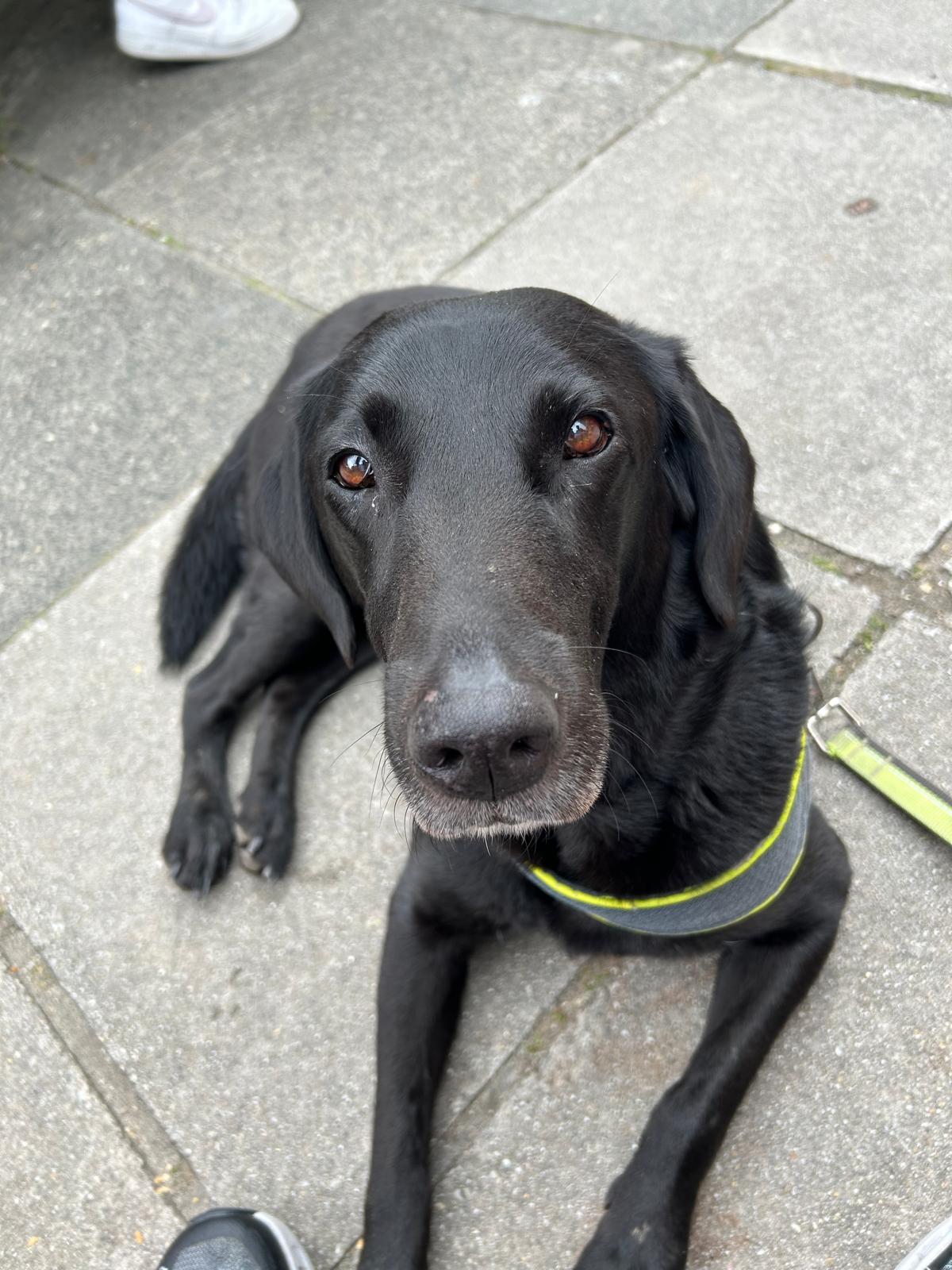
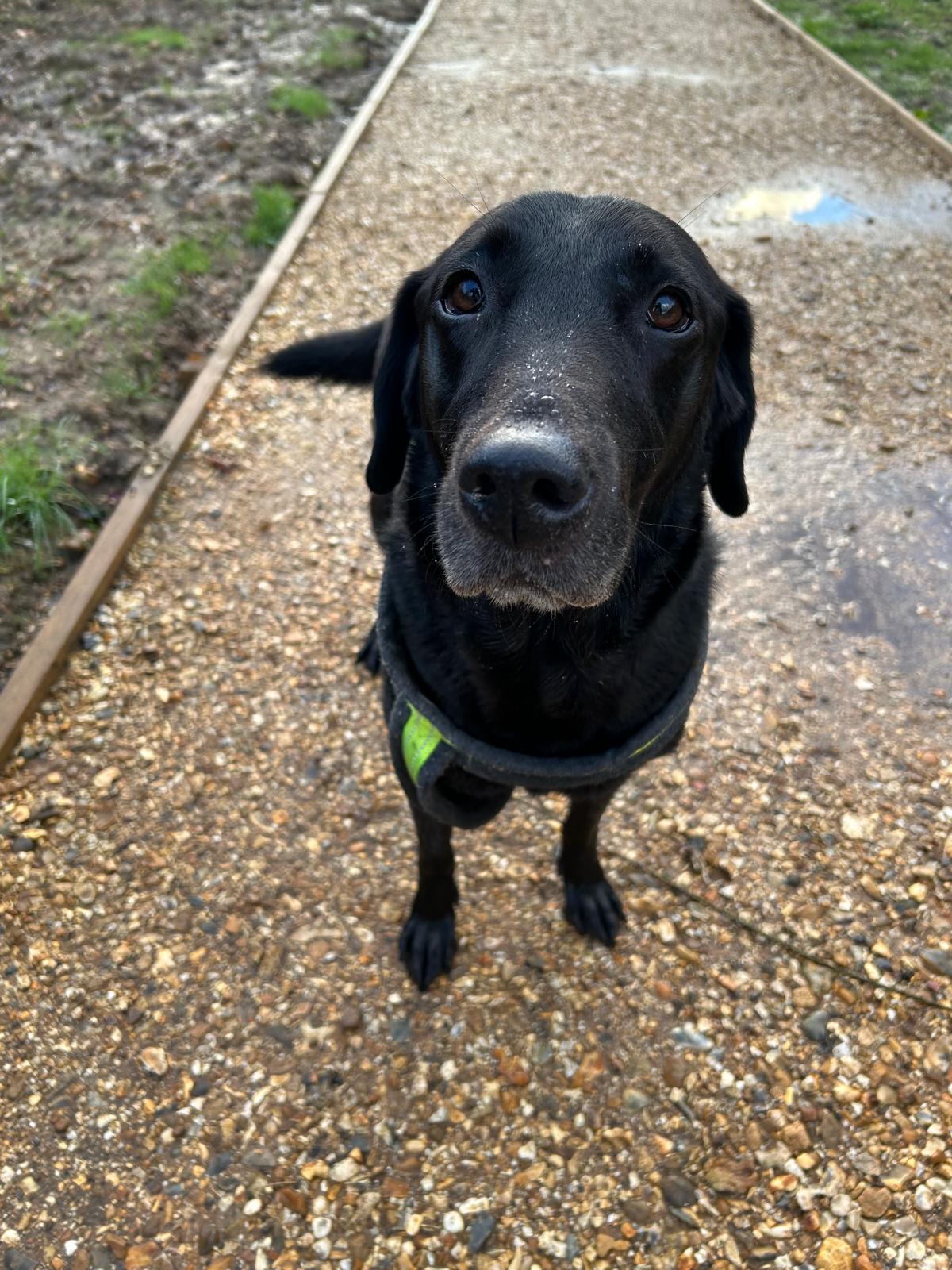
| Labrador Retriever | 60-90 min | Walking, swimming, fetch |
| Golden Retriever | 60-90 min | Walking, swimming, gentle runs |
| Cocker Spaniel | 60-90 min | Woodland walks, retrieving |
| Boxer | 60-90 min | Play sessions, moderate walks |
| Staffordshire Bull Terrier | 60-90 min | Walks, tug games, training |
| Standard Poodle | 60-90 min | Walking, swimming, agility |
| Beagle | 60-90 min | Scent walks, exploring |
Tip: Labradors (the UK’s most popular breed) are especially prone to weight gain. If your Lab is carrying extra, talk to your vet and consider an active-formula food.
🐕 Lower Energy (30-60 minutes daily)
Don’t confuse “lower energy” with “no energy.” These breeds still need daily walks — they’re just not training for a marathon.
| Breed | Daily Exercise | Best Activities |
|---|---|---|
| French Bulldog | 30-45 min | Short walks, gentle play |
| Cavalier King Charles | 30-60 min | Moderate walks, garden play |
| Shih Tzu | 30-45 min | Short walks, indoor play |
| Bulldog | 30-40 min | Short, flat walks (avoid heat) |
| Pug | 30-40 min | Short walks, gentle play |
| Basset Hound | 30-60 min | Leisurely sniff walks |
| Chihuahua | 20-30 min | Short walks, indoor play |
⚠️ Brachycephalic warning: Flat-faced breeds (Bulldogs, Pugs, French Bulldogs) overheat easily. In warmer months, walk early morning or evening only. If they’re panting heavily or slowing down, stop immediately.
Puppy Exercise: The 5-Minute Rule
This is the one most new owners get wrong. Puppies are not small adult dogs. Their joints, bones, and growth plates are still developing.
The general guideline:
5 minutes of structured exercise per month of age, twice daily.
So a 3-month-old puppy = 15 minutes, twice a day. A 6-month-old = 30 minutes, twice a day.
What counts as exercise for puppies:
- ✅ Lead walks (at their pace)
- ✅ Garden play
- ✅ Socialisation outings
- ✅ Short training sessions
- ❌ Long hikes
- ❌ Running on hard surfaces
- ❌ Jumping on and off furniture repeatedly
When to increase: Most breeds can handle adult-level exercise from 12-18 months. Large and giant breeds take longer — up to 24 months for Great Danes and similar.
Senior Dog Exercise: Adapting With Age
Your old boy or girl still needs exercise. In fact, keeping them moving is one of the best things you can do for their quality of life. But the type and intensity need to change.
Signs your senior dog needs a gentler routine:
- Stiffness after walks (especially the morning after)
- Reluctance to jump or climb stairs
- Slowing down noticeably mid-walk
- Sleeping more than usual after exercise
Adjustments to make:
- Shorter, more frequent walks — two 20-minute walks beat one 40-minute walk
- Softer surfaces — grass and woodland paths over pavement
- Gentle swimming — brilliant for arthritic joints (no impact)
- Mental enrichment — snuffle mats, puzzle feeders, scent games
- Supplements — joint supplements with glucosamine and chondroitin can make a real difference
Exercise in Different Seasons (UK-Specific)
Winter (November-February)
- Use reflective gear and LED collars for dark walks
- Check paws for grit salt after pavement walks
- Shorter but more frequent walks in extreme cold
- Towel dry thoroughly after wet walks
Spring (March-May)
- Watch for adders on heathland (peak March-April)
- Tick season begins — check after every countryside walk
- Bluebells are toxic to dogs — keep to paths in woodland
- Ideal hiking weather — make the most of it
Summer (June-August)
- Never walk in midday heat — pavement can burn paws
- Early morning (before 8am) or evening (after 7pm)
- Carry water on every walk
- Watch for algae in ponds and lakes (can be fatal)
Autumn (September-October)
- Acorns and conkers are toxic — avoid areas with heavy fall
- Daylight drops fast — bring lights from October
- Mushrooms in parks — redirect if your dog eats everything
How to Tell If Your Dog Is Getting Enough Exercise
Under-exercised signs:
- Destructive behaviour (chewing, digging)
- Excessive barking or whining
- Weight gain
- Restlessness, especially at night
- Over-excitement on walks
Over-exercised signs:
- Limping or reluctance to walk
- Excessive panting that doesn’t settle
- Sleeping far more than usual
- Sore paws or worn pads
- Loss of enthusiasm for walks (big red flag)
Recommended Walking Kit
Every UK dog owner should have:
- A good quality harness — better for your dog’s neck than a collar for walking
- Extendable and fixed lead — fixed for roads, extendable for open spaces
- Poo bags — biodegradable ones, please
- Water bottle and portable bowl — essential in warmer months
- GPS tracker — peace of mind if your dog is off-lead in new areas
- High-visibility gear — reflective collar/harness for dark winter walks
- Microfibre towel — for the inevitable post-walk mud situation
[Affiliate links would go here for each item]
The Bottom Line
The right amount of exercise depends on your dog’s breed, age, health, and personality. The guidelines above are starting points — your dog will tell you if they need more or less.
The best exercise routine is one you’ll actually stick to. A consistent 45-minute daily walk beats an occasional 3-hour hike followed by nothing for a week.
And remember: mental exercise counts too. A 15-minute training session can tire a dog out as much as a 30-minute walk. Mix it up, keep it interesting, and enjoy the time together.
Have a question about your dog’s exercise needs? Drop us a message — we love hearing from fellow dog owners.
Internal Notes:
- Affiliate links: Amazon Associates for walking gear, GPS trackers (Tractive, Apple AirTag holders)
- Could link to future mymuttlife product range if Shopify store develops
- Natural follow-up articles: “Best Dog Harnesses UK 2026”, “GPS Trackers for Dogs UK Compared”
- Ties into Rob’s dog fitness app concept (MyMuttLife = exercise tracking)