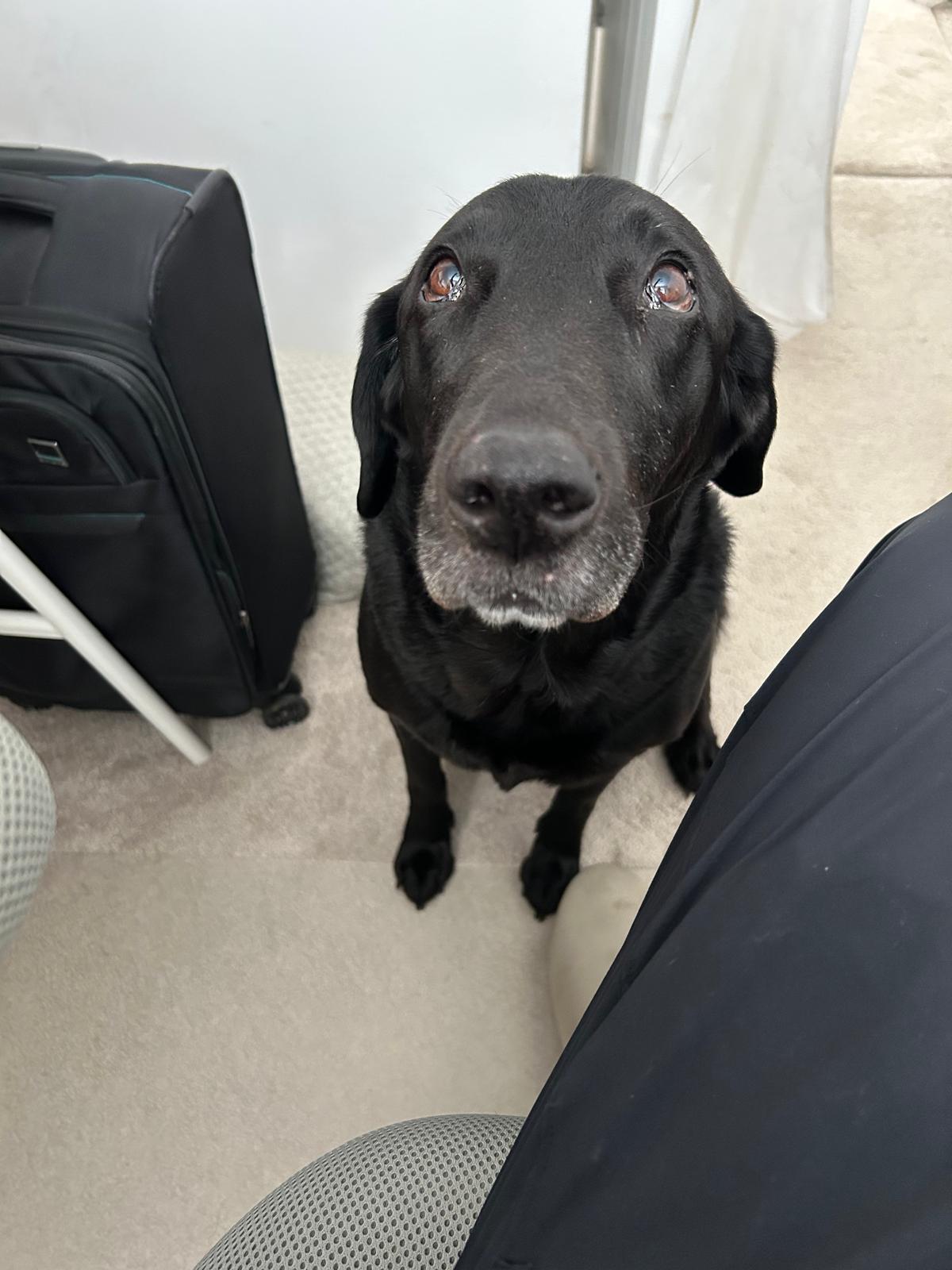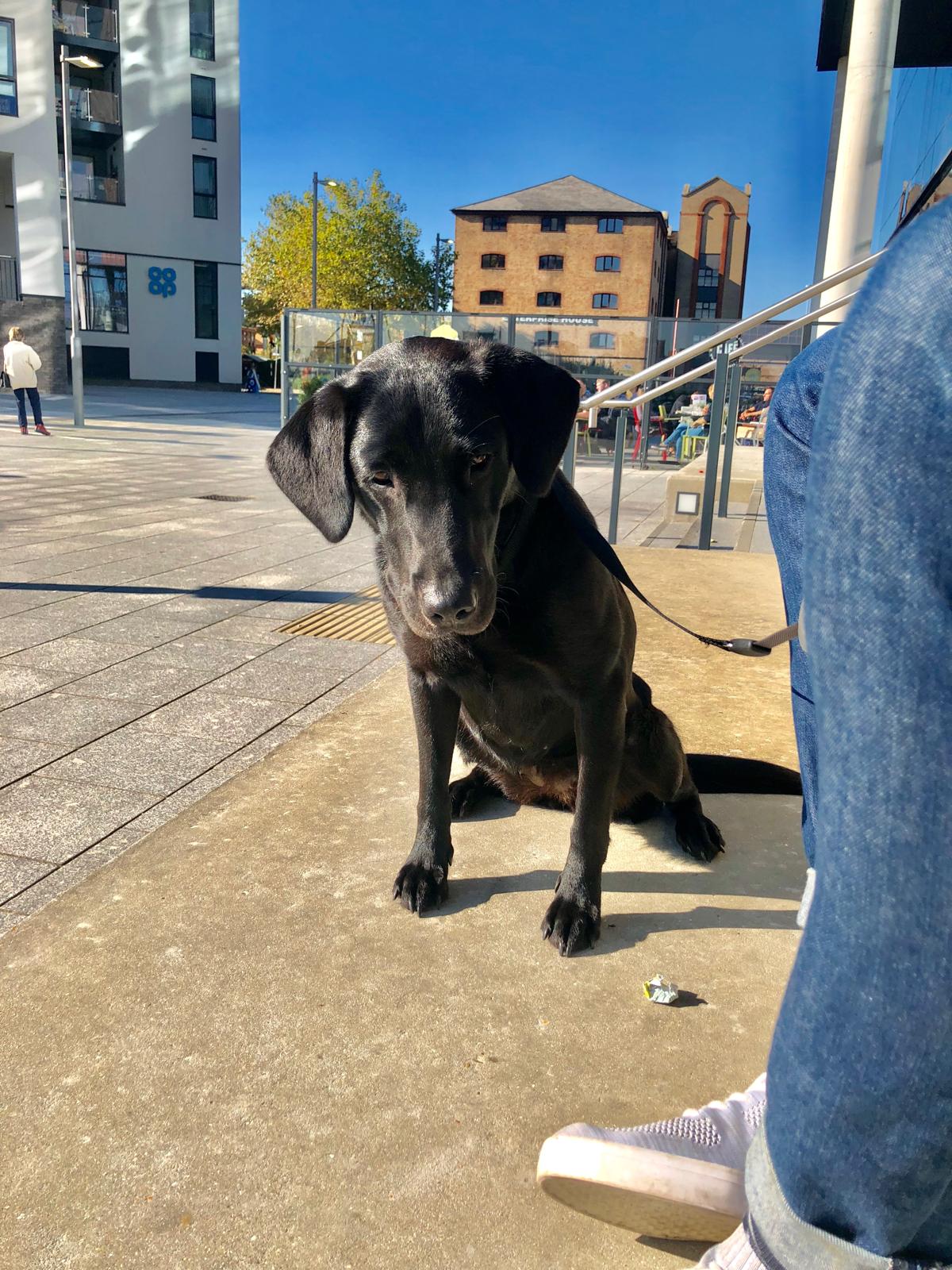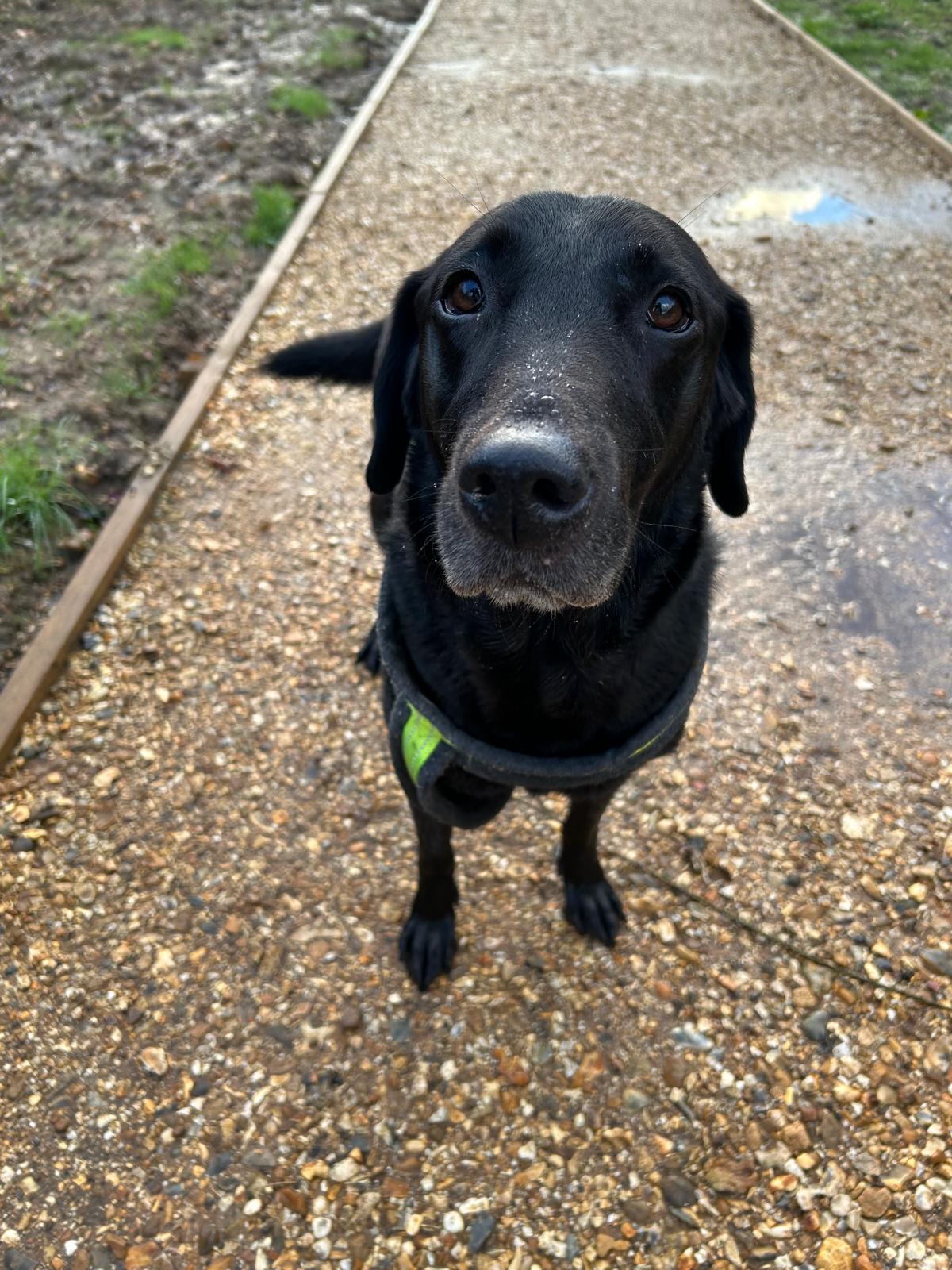
Everything you need to pack for a perfect dog walk — from quick local strolls to all-day countryside adventures.
Introduction
There’s nothing quite like heading out with your dog — whether it’s a quick loop around the local park or an all-day ramble through the countryside. But any experienced dog owner knows that sinking feeling when you’re three miles from the car and realise you’ve forgotten the poo bags. Or your dog’s rolled in something unspeakable and you’ve got nothing to clean them up with.
Having the right kit packed and ready to go makes every walk better. Less stress, more fun, and you’ll never be caught short again.
We’ve put together the ultimate list of dog walking essentials for UK owners — covering everything from the absolute basics to clever extras that’ll make you wonder how you ever managed without them.
The Non-Negotiables: 7 Must-Have Essentials
These are the items you should never leave the house without. If you’re only going to pack a few things, make it these.
1. A Good Quality Lead (or Two)
Your lead is the single most important piece of dog walking kit. For everyday walks, a sturdy 1.5–1.8 metre fixed-length lead gives you the best control. Avoid retractable leads near roads or in busy areas — they make it nearly impossible to react quickly.
Top tip: Keep a lightweight spare lead in your walking bag. If your main lead breaks, your dog slips their collar, or you find a stray, you’ll be glad you packed one.
What to look for:
- Durable material (biothane is brilliant — waterproof, easy to clean, doesn’t absorb smells)
- Comfortable handle that won’t dig into your hands
- Strong clip mechanism (test it regularly — worn clips are an escape waiting to happen)
2. Poo Bags — More Than You Think You’ll Need
The golden rule: pack twice as many as you think you need. Your dog will choose the day you’re running low to have an extra productive walk.
Go for biodegradable or compostable bags where possible. The UK produces roughly 1,000 tonnes of dog waste plastic bags annually — switching to eco-friendly options makes a genuine difference.
Our pick: Look for bags that are thick enough not to tear (learn from our mistakes), tied rolls that fit in a clip-on dispenser, and genuinely certified compostable — not just “degradable,” which isn’t the same thing.
3. Fresh Water and a Portable Bowl
Dogs need access to fresh water on every walk, especially in warmer months. Communal water bowls outside pubs and cafés can harbour bacteria like leptospirosis and giardia — not worth the risk.
Options:
- Collapsible silicone bowls — lightweight, clip onto your bag, easy to clean
- Squeeze bottles with built-in tray — brilliant for on-the-go, no spillage
- Standard water bottle + bowl — the classic combo, hard to beat
How much water? A rough guide is 30-50ml per kg of body weight per day. On a warm day with an active walk, bring at least 500ml for a medium-sized dog.
4. Treats and a Treat Pouch
Treats aren’t just nice-to-haves — they’re essential training tools. Recall practice, rewarding good behaviour around other dogs, or simply encouraging a reluctant walker on a rainy Tuesday — treats make everything easier.
Use a dedicated treat pouch that clips to your waist or bag. Stuffing loose treats in your pocket is a fast track to permanently smelly jackets.
Best walk treats:
- Small, low-calorie training treats (you’ll go through more than you think)
- Something high-value for emergency recall (cheese, cooked chicken, liver cake)
- Keep treats under 10% of your dog’s daily calorie intake
5. ID Tags and Microchip Details
It’s a legal requirement in the UK for dogs to wear a collar with an ID tag in public places (Control of Dogs Order 1992). The tag must show your name and address — your phone number is optional but strongly recommended.
Also smart: Carry a note of your dog’s microchip number on your phone. If your dog goes missing and loses their collar, this is your backup. Make sure your microchip details are up to date — you can check and update for free on the database your chip is registered with.
6. Dog-Friendly Wipes
Your dog will roll in fox poo. It’s not a matter of if, it’s when. Dog-friendly wipes are a lifesaver for:
- Post-roll damage limitation
- Muddy paws before getting back in the car
- Cleaning around eyes and ears after dusty walks
- Quick clean-ups when a full bath isn’t practical
Avoid using human baby wipes — the pH isn’t right for dogs and some contain ingredients that can irritate their skin.
7. Waste Bag Carrier (Dicky Bag or Similar)
Nobody enjoys walking for 40 minutes with a bag of warm dog poo swinging from their hand. A dedicated poo bag carrier like a Dicky Bag seals in the smell and clips to your belt or bag. It’s one of those products that seems unnecessary until you own one — then you’ll never go back.
Level Up: 5 Smart Extras
Once you’ve nailed the basics, these extras will make your walks noticeably better.
8. A Hands-Free Lead or Waist Belt
If you like to walk briskly, jog with your dog, or simply hate having one hand permanently occupied, a hands-free lead setup is transformative. A padded waist belt with a bungee lead absorbs your dog’s movements and leaves you free to use both hands.
Best for: Runners, photographers, parents with pushchairs, anyone who likes to walk with a coffee.
9. Hi-Vis Gear (Essential in Winter)
Between October and March, most UK dog owners end up walking in the dark at some point. Hi-vis collars, lead wraps, and clip-on LED lights are cheap and potentially life-saving — for both you and your dog.
Our essentials for dark walks:
- Reflective collar or harness
- Clip-on LED light for your dog’s collar (flashing mode is most visible)
- A head torch for you (keeps hands free, illuminates the path ahead)
- Light-coloured or reflective clothing
10. A Basic Pet First Aid Kit
You don’t need to pack a full veterinary surgery, but a small first aid kit can handle the most common walk injuries — cut paws, insect stings, and thorn scratches.
Pack these:
- Conforming bandage and medical tape
- Antiseptic wipes (pet-safe)
- Tweezers (for ticks and thorns)
- A tick removal tool (tick season in the UK runs roughly March–October)
- Saline solution for eye irrigation
- Your vet’s phone number saved in your phone
11. A Towel or Drying Coat
This is a UK-specific essential. Our weather means mud is practically a year-round feature. A compact microfibre towel or a dog drying coat means you can clean up before getting back in the car — saving your upholstery and your sanity.
Pro move: Keep a dedicated “dog towel” permanently in your car boot. You’ll use it more often than you’d expect.
12. Recall Whistle
If you walk your dog off-lead, a recall whistle (like the Acme 211.5) is far more effective than shouting across a field. The sound carries further, is more consistent than your voice, and doesn’t convey frustration (which your dog will absolutely pick up on from your shouting).
Seasonal Essentials: Adapting Your Kit
Spring & Summer
- Sun protection — Dogs can get sunburnt, especially those with light-coloured or thin coats. Pet-safe sunscreen on ears, nose, and belly.
- Cooling coat or bandana — Soak in water before the walk. Genuinely effective on hot days.
- Extra water — Double your usual amount in temperatures above 20°C.
- Post-walk tick check — Run your hands through their coat after walks in long grass.
Autumn & Winter
- Dog coat — Not all dogs need one, but short-haired breeds, elderly dogs, and puppies benefit from a warm, waterproof layer.
- Paw balm — Protects against cold, grit salt, and cracked pads. Apply before and after walks.
- Reflective/hi-vis gear — As mentioned above, essential from October onwards.
- Shorter routes — Cold, wet conditions are harder on older or smaller dogs. Adjust accordingly.
How to Organise Your Dog Walking Kit
The secret to actually using all this kit? Having it ready to go. Pack a dedicated dog walking bag and keep it by the front door. When everything has a place, you’ll grab it without thinking.
Our recommended setup:
- A small crossbody bag or bum bag for quick local walks (poo bags, treats, phone, keys)
- A larger backpack for longer adventures (add water, first aid kit, towel, snacks for you)
- A car boot kit that stays in the car (towel, spare lead, water bowl, emergency treats)
Having all three means you’re covered for any walk, any weather, without having to repack every time.
Quick Kit Checklist
Every walk (the basics):
- Lead (plus spare in bag)
- Poo bags (at least 4-5)
- Waste bag carrier
- Water + portable bowl
- Treats + treat pouch
- ID tag on collar
- Phone (with vet number saved)
- Dog-friendly wipes
Longer walks (add these):
- First aid kit
- Towel
- Extra water
- Snacks for you
- Recall whistle
Dark/winter walks (add these):
- Hi-vis collar or LED light
- Head torch
- Dog coat (if needed)
- Paw balm
Summer walks (add these):
- Pet-safe sunscreen
- Cooling bandana
- Double water supply
🛏️ While you’re sorting your dog’s kit — have you got them the right bed to come home to? Try our free Dog Bed Size Calculator to find the perfect match.
Final Thoughts
The best dog walk is one where you can relax and enjoy it — and that starts with being prepared. You don’t need to spend a fortune; most of these essentials are under £10 each. The real investment is building the habit of packing them.
Start with the non-negotiables, add extras as you go, and keep your kit bag ready by the door. Your future self — wet, muddy, and three miles from the car — will thank you.
Got a walking essential we’ve missed? Drop us a comment below!
Disclosure: This post contains affiliate links. If you purchase through our links, we may earn a small commission at no extra cost to you. We only recommend products we genuinely believe in.