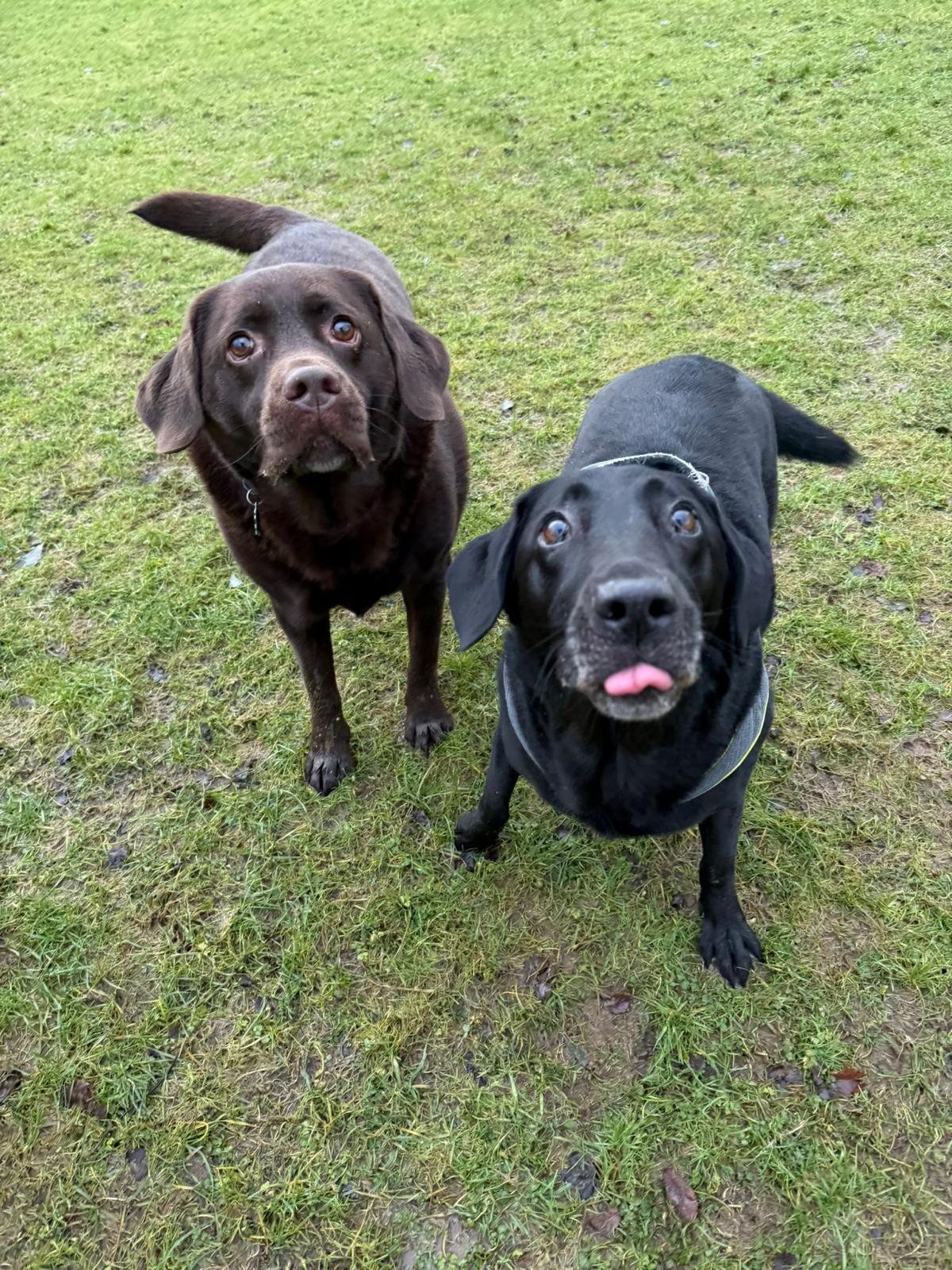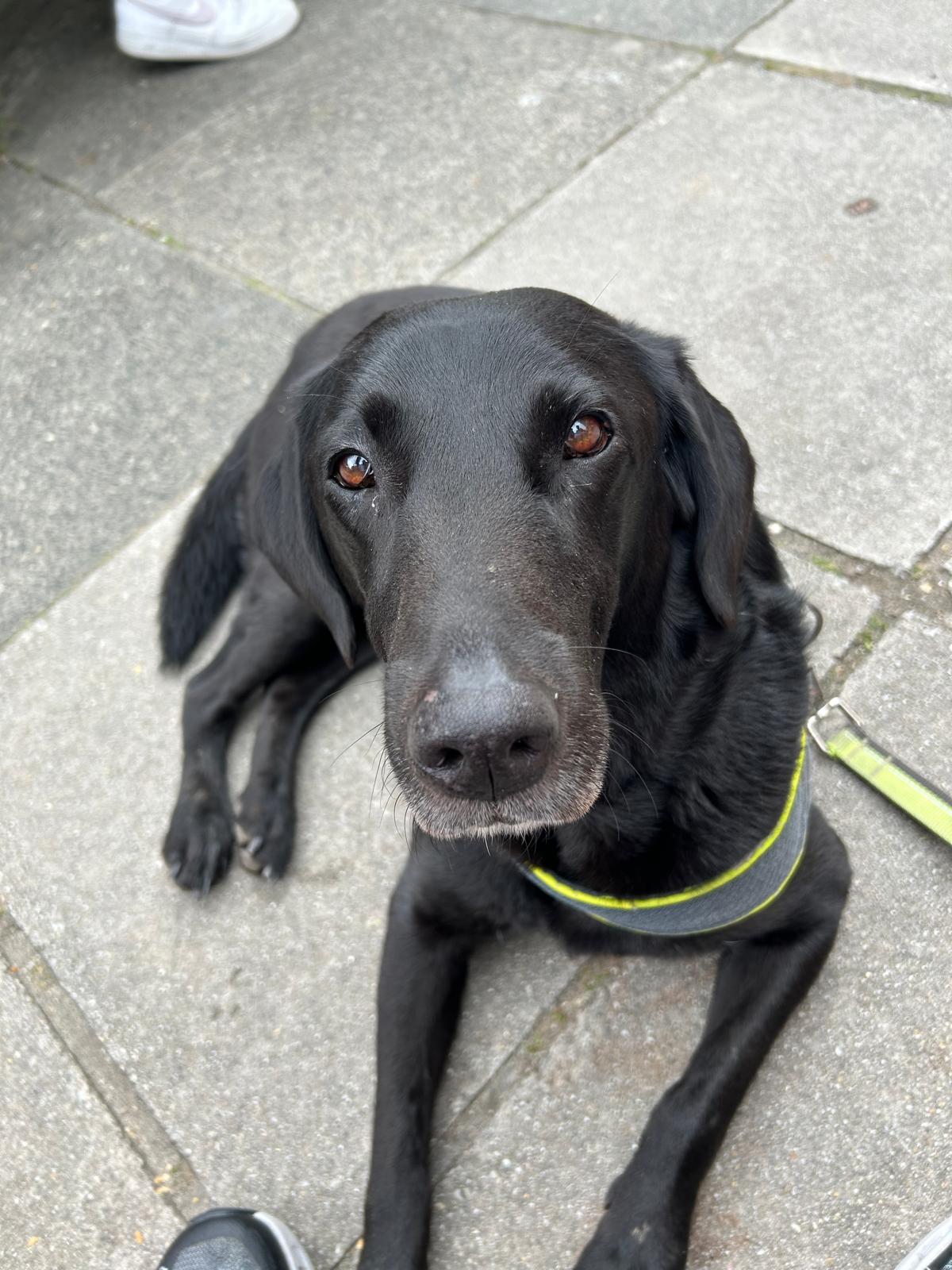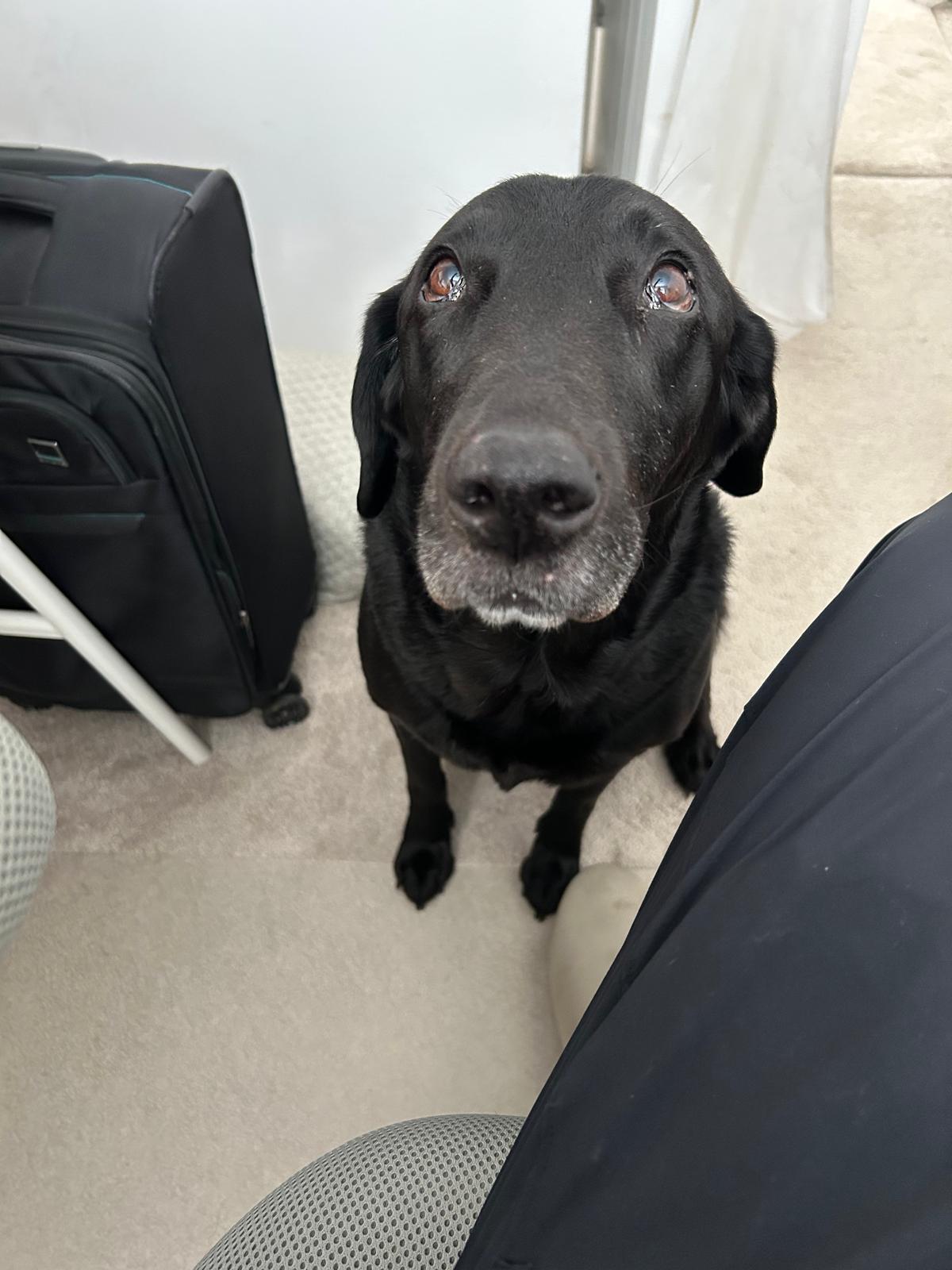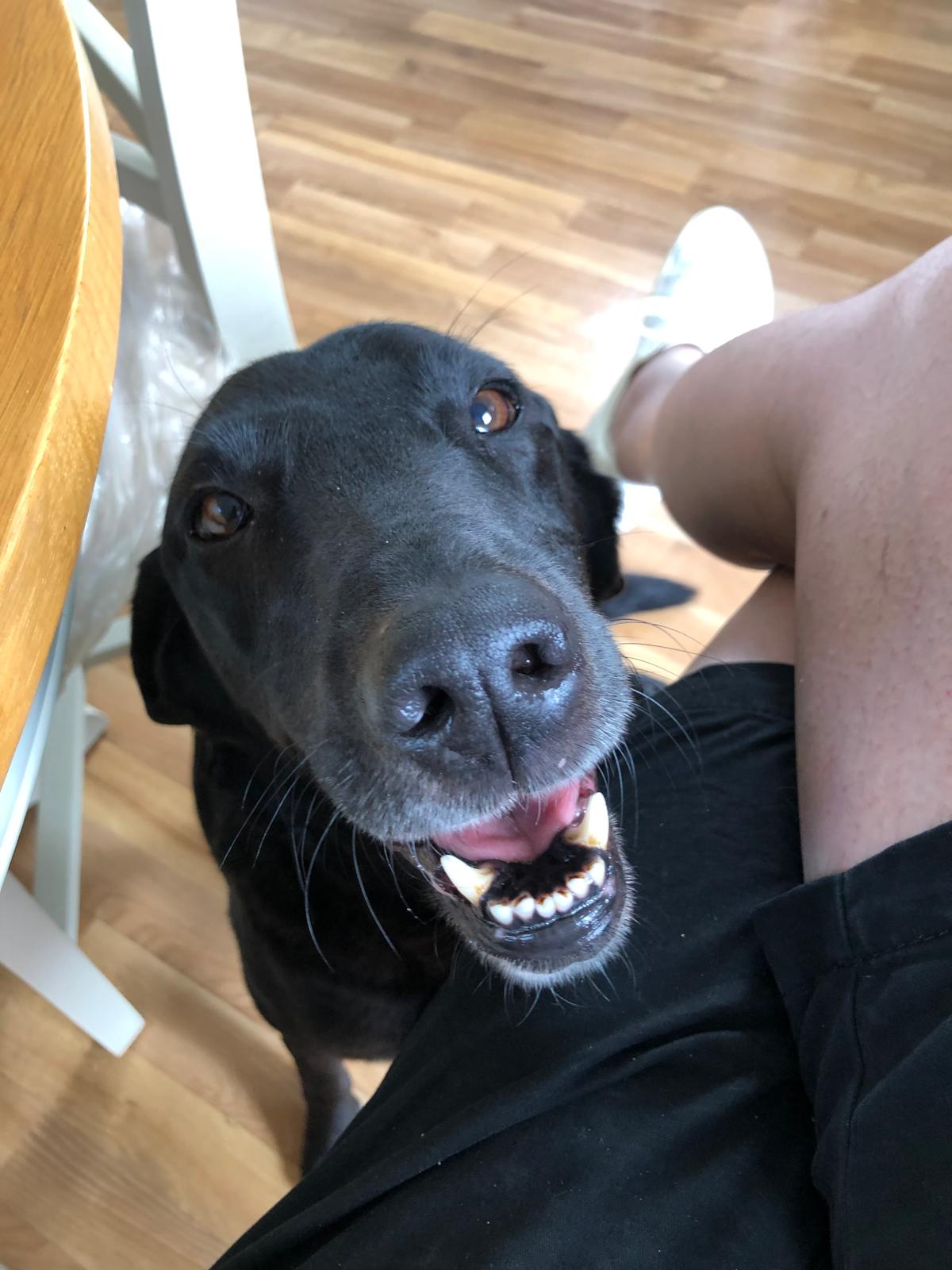
There’s a moment every dog owner dreads – the day you realise your four-legged whirlwind has become a four-legged gentleman. The grey muzzle. The slower pace on walks. The extra naps on the sofa (though honestly, my black Lab Poppy has been training for retirement her whole life).
But here’s the thing: senior dogs aren’t broken dogs. They’re experienced dogs. And with the right care, those twilight years can be some of the best you’ll share together.
This guide covers everything you need to know about caring for an older dog in the UK – from when “senior” actually starts, to diet, exercise, health checks, and making your home comfortable for ageing joints.
When Does a Dog Become “Senior”?
This depends largely on size and breed:
| Dog Size | Approximate Senior Age | Example Breeds |
|---|---|---|
| Small (under 10kg) | 10-12 years | Chihuahua, Jack Russell, Dachshund |
| Medium (10-25kg) | 8-10 years | Cocker Spaniel, Border Collie, Beagle |
| Large (25-40kg) | 7-8 years | Labrador, Golden Retriever, German Shepherd |
| Giant (40kg+) | 5-6 years | Great Dane, St Bernard, Irish Wolfhound |
The general rule: larger dogs age faster. A seven-year-old Great Dane is genuinely elderly, while a seven-year-old Jack Russell is basically middle-aged and still terrorising the neighbourhood.
Most vets recommend switching to a senior care approach from around age seven for medium to large breeds. That doesn’t mean your dog is suddenly old – it means it’s time to start paying closer attention.
Signs Your Dog Is Entering Their Senior Years
Some changes happen gradually, so they’re easy to miss. Watch for:
Physical Changes
- Grey hairs – usually starting around the muzzle and eyebrows
- Slower to get up – especially after lying down for a while
- Less enthusiasm for long walks – they’re still interested, just tire faster
- Weight changes – either gaining weight (less active) or losing it (could indicate health issues)
- Cloudy eyes – a normal ageing change called nuclear sclerosis (different from cataracts)
- Lumps and bumps – common in older dogs, usually benign, but always worth checking
Behavioural Changes
- Sleeping more – perfectly normal, but sudden increases warrant a vet visit
- Confusion or disorientation – could be canine cognitive dysfunction (doggy dementia)
- Increased anxiety – especially around loud noises or being left alone
- Changes in toilet habits – more frequent need to go, or accidents in the house
- Less interest in play – or preferring gentler games
Important: Don’t dismiss changes as “just old age.” Many age-related symptoms have treatable underlying causes. Always mention changes to your vet.
Feeding Your Senior Dog
As dogs age, their metabolism slows and their nutritional needs shift. Getting this right makes a real difference.
When to Switch to Senior Food
Most vets recommend transitioning to a senior-specific food around age 7 for large breeds and 8-10 for smaller breeds. Senior diets typically have:
- Fewer calories – to prevent weight gain as activity drops
- Higher quality protein – to maintain muscle mass
- Added joint support – glucosamine, chondroitin, omega-3s
- Increased fibre – for digestive health
- Antioxidants – to support immune function and cognitive health
Best Senior Dog Foods in the UK
Forthglade Senior (£2-3/day) A Devon-made, natural option with high meat content and no artificial nasties. Their grain-free senior recipes are excellent value.
Royal Canin Senior (£2-4/day) Available in breed-specific and size-specific formulas. Backed by serious nutritional research. The kibble for large breeds includes joint-supporting nutrients.
Lily’s Kitchen Senior Recipe (£3-4/day) Proper free-range chicken with added joint-supporting ingredients. Ethical sourcing if that matters to you (and it should).
Butternut Box Senior (£4-6/day) Fresh, pre-portioned meals delivered to your door. Brilliant if budget allows – the difference in coat quality and energy is noticeable.
Burns Senior+ / Weight Management (£1.50-2.50/day) Welsh-made, simple ingredients, excellent for sensitive stomachs. One of the most trusted hypoallergenic brands in the UK.
Feeding Tips for Older Dogs
- Feed little and often – two or three smaller meals rather than one large one
- Transition gradually – mix new food with old over 7-10 days to avoid stomach upset
- Warm the food slightly – enhances smell and flavour for dogs with reduced appetite
- Elevate the bowl – raised feeders reduce strain on arthritic necks and backs
- Monitor weight monthly – you should always be able to feel (but not see) their ribs
- Keep water accessible – older dogs may drink more; always have fresh water nearby
Exercise for Senior Dogs
Your dog still needs exercise – but the approach changes.
The Golden Rule: Little and Often
Instead of one long walk, try two or three shorter ones. A senior Labrador might do better with three 20-minute walks than one hour-long trek.
Signs You’re Overdoing It
- Limping during or after walks
- Reluctance to get up the next morning
- Excessive panting that takes a long time to settle
- Sleeping significantly more than usual after exercise
Adapting Your Routine
What to keep:
- Daily walks (adjusted pace and distance)
- Sniffing opportunities (mental stimulation is just as tiring as physical)
- Social interaction with other dogs (if they still enjoy it)
- Swimming – brilliant low-impact exercise for arthritic dogs
What to consider:
- Avoid steep hills and uneven terrain if they struggle
- Walk during cooler parts of the day in summer
- Use a supportive harness instead of a collar
- Get a car ramp – lifting a 30kg dog in and out isn’t good for either of you
- Consider dog boots for grip on slippery surfaces in winter
What to add:
- Puzzle feeders and enrichment toys (keeps the brain sharp)
- Short training sessions (old dogs absolutely can learn new tricks)
- Gentle games like “find the treat” around the house
- Hydrotherapy – many canine hydrotherapy centres across the UK offer sessions from £30-50
UK Hydrotherapy
Canine hydrotherapy has exploded in the UK. It’s genuinely excellent for senior dogs with joint issues. The warm water supports their weight while they exercise, building muscle without stressing joints.
Find a practitioner through the National Association of Registered Canine Hydrotherapists (NARCH) or ask your vet for a referral.
Making Your Home Senior-Dog-Friendly
A few simple changes can make a huge difference:
Flooring
- Rugs on hard floors – wooden and tiled floors become ice rinks for arthritic dogs
- Non-slip mats by food bowls and at doorways
- Carpet runners along their usual routes through the house
Bedding
- Orthopaedic memory foam beds – a genuine game-changer. The UK market has brilliant options:
- Topology by Omlet (from £129) – modular, washable, excellent support
- The Dog’s Bed Orthopaedic (from £40-70) – great mid-range option on Amazon
- Orvis Memory Foam Bolster (from £140) – premium but lasts years
- Place beds away from draughts
- Have beds in multiple rooms so they don’t have to go far
- Heated pads or snugglesafe heat discs for particularly cold nights
Access
- Ramps or steps for sofas, beds, and cars
- Baby gates to block stairs if they’re a fall risk
- Night lights in hallways for dogs with poor vision
- Keep furniture in the same place – rearranging confuses dogs with declining sight
Garden
- Ensure pathways are well-lit for evening toilet trips
- Create an easy-access toilet area near the door
- Provide shelter from rain near the door (nobody wants to stand in the rain at 11pm waiting for a senior dog to find the perfect spot)
Health Checks and Vet Visits
This is where proactive care really pays off.
Twice-Yearly Vet Checks
Most vets recommend six-monthly check-ups for senior dogs rather than annual. These typically include:
- Full physical examination
- Weight check and body condition scoring
- Joint and mobility assessment
- Dental check
- Blood and urine tests (annually) to catch organ issues early
- Blood pressure check
Cost: A standard senior health check runs £40-80 at most UK practices. Annual blood panels add £80-150. Consider it an investment – catching kidney disease early, for example, can add years to your dog’s life.
Pet Insurance for Older Dogs
This is the hard truth: insuring a senior dog is expensive, and many providers won’t cover new policies for dogs over 8-10 years old. If you have an existing policy, keep it. Switching providers resets pre-existing condition exclusions.
Best options for senior dogs in the UK:
- Petplan – covers dogs for life, no upper age limit for renewals
- Bought By Many (now ManyPets) – popular for older dogs
- The Kennel Club – decent senior dog options
If insurance isn’t viable, consider setting aside £50-100 per month in a dedicated savings account. Vet bills for senior dogs can easily run into thousands.
Common Health Issues in Older Dogs
| Condition | Signs to Watch For | What Your Vet Can Do |
|---|---|---|
| Arthritis | Stiffness, limping, reluctance to jump | Pain relief, joint supplements, hydrotherapy |
| Dental disease | Bad breath, dropping food, pawing at mouth | Dental cleaning under anaesthetic, extractions |
| Kidney disease | Increased thirst, frequent urination, weight loss | Dietary management, medication, fluid therapy |
| Heart disease | Coughing, lethargy, swollen belly | Medication, dietary changes, monitoring |
| Canine cognitive dysfunction | Confusion, pacing at night, forgetting training | Medication, enrichment, dietary supplements |
| Cancer | Lumps, unexplained weight loss, lethargy | Varies – surgery, chemotherapy, palliative care |
| Diabetes | Excessive thirst, weight loss, increased urination | Insulin injections, dietary management |
| Hypothyroidism | Weight gain, lethargy, hair loss | Daily medication (very manageable) |
Joint Care and Supplements
Joint problems are the single most common issue in senior dogs. Here’s what actually helps:
Proven Supplements
Glucosamine & Chondroitin – The evidence is solid. These naturally occurring compounds support cartilage repair and reduce inflammation. Look for:
- YuMOVE (from £15/month) – the UK’s bestselling joint supplement. The green-lipped mussel extract is backed by clinical studies
- Lintbells YuMOVE ADVANCE 360 (from £25/month) – the stronger version for dogs with existing joint issues
Omega-3 Fatty Acids – Anti-inflammatory, supports joint health and brain function. Scottish salmon oil is widely available and effective.
Turmeric (Curcumin) – Growing evidence for anti-inflammatory properties. Golden paste (turmeric mixed with coconut oil and black pepper) is popular in the UK dog community.
Prescription Options
If supplements aren’t enough, talk to your vet about:
- NSAIDs (non-steroidal anti-inflammatories) – effective but require regular blood monitoring
- Librela (bedinvetmab) – a relatively new monthly injection that’s transformed arthritis management. Many UK vets now offer this
- Gabapentin – for nerve-related pain
- Adequan injections – helps rebuild cartilage
Mental Health and Cognitive Function
Canine cognitive dysfunction (CCD) affects up to 30% of dogs over 11 years old. It’s essentially doggy dementia, and it’s more common than most owners realise.
Signs of CCD
- Disorientation in familiar places
- Changes in sleep-wake cycles (pacing at night)
- Forgetting house training
- Decreased interaction with family
- Staring into space or at walls
- Getting stuck in corners or behind furniture
What Helps
- Mental stimulation – puzzle feeders, training sessions, new experiences
- Consistent routine – predictability reduces anxiety
- Dietary supplements – SAMe, MCT oil, antioxidant-rich diets
- Medication – Aktivait (available from UK vets) and Selgian can help
- Night lights – reducing disorientation in the dark
- Extra patience – they’re not being naughty; they’re confused
End of Life: The Conversation Nobody Wants to Have
This is hard to write, and harder to read. But it’s part of responsible senior dog care.
Quality of Life Assessment
Vets often use a quality of life scale. Honestly ask yourself:
- Pain – Is their pain well-managed? Do they seem comfortable?
- Appetite – Are they eating and drinking enough?
- Hydration – Are they staying hydrated?
- Hygiene – Can they keep themselves clean? Are they having frequent accidents?
- Happiness – Do they still enjoy things? Tail wags, greetings, favourite activities?
- Mobility – Can they get around without significant distress?
- More good days than bad – This is the one that matters most.
When It’s Time
Your vet can help you recognise when treatment is prolonging suffering rather than life. In the UK, home euthanasia services like Dignipets and Cloud 9 Vets offer peaceful, compassionate end-of-life care in your own home. It costs more than at the practice (typically £250-400), but many families find the comfort worth it.
Grief Support
The loss of a dog is a real bereavement. If you’re struggling:
- The Blue Cross Pet Bereavement Support Service – free, confidential (0800 096 6606)
- The Ralph Site – online community for pet loss
- Your vet practice – many have resources and understanding staff
Your Senior Dog Care Checklist
✅ Switch to senior-appropriate food (gradually) ✅ Book twice-yearly vet checks ✅ Add joint supplements (YuMOVE or similar) ✅ Adjust exercise – shorter, more frequent walks ✅ Make home modifications (rugs, ramps, orthopaedic bed) ✅ Monitor weight monthly ✅ Keep teeth clean (dental chews, brushing, annual checks) ✅ Maintain mental stimulation ✅ Review pet insurance or start a vet savings fund ✅ Check for lumps, bumps, and behavioural changes regularly ✅ Give them extra love (they’ve earned it)
🛏️ Finding the right bed for your senior dog is one of the best things you can do for their joints. Use our free Dog Bed Size Calculator to get a personalised recommendation.
The Bottom Line
Getting older isn’t a disease. With thoughtful care – the right food, gentle exercise, a comfy home, and regular vet checks – your senior dog can thrive well into their golden years.
The grey muzzle isn’t something to mourn. It’s a badge of honour. Every silver hair is a walk you’ve shared, a stick you’ve thrown, a sofa you’ve pretended they’re not allowed on.
Give them the care they deserve. They’ve certainly earned it.
Have questions about caring for your senior dog? Drop us a comment below or get in touch – we love hearing from fellow dog owners.
Note: This guide is for informational purposes. Always consult your vet for advice specific to your dog’s needs.
SEO Target Keywords: senior dog care UK, caring for older dogs, elderly dog health, senior dog food UK, dog joint supplements UK, when is a dog senior, older dog exercise, canine cognitive dysfunction Internal Links to Add: Best dog food for Labradors (for breed-specific senior feeding), Best joint supplements for dogs UK Affiliate Opportunities: YuMOVE, Butternut Box, orthopaedic beds (Amazon Associates), Omlet Topology bed
Draft created: February 7, 2026